When you purchase through links on our site , we may gain an affiliate commission . Here ’s how it works .
display board and die games have been a popular natural action across almost all human societies for thousands of years — in fact , they are so ancient that it ’s strange which game is the oldest or the original , if there is one .
Even the ancient Greeks played their percentage of board games ; this exemplification on a Greek amphora from the sixth century B.C. ( now exhibit at the Vatican Museums in Rome ) picture the Greek heroesAchilles and Ajax play a die gamebetween battles at the siege ofTroy .
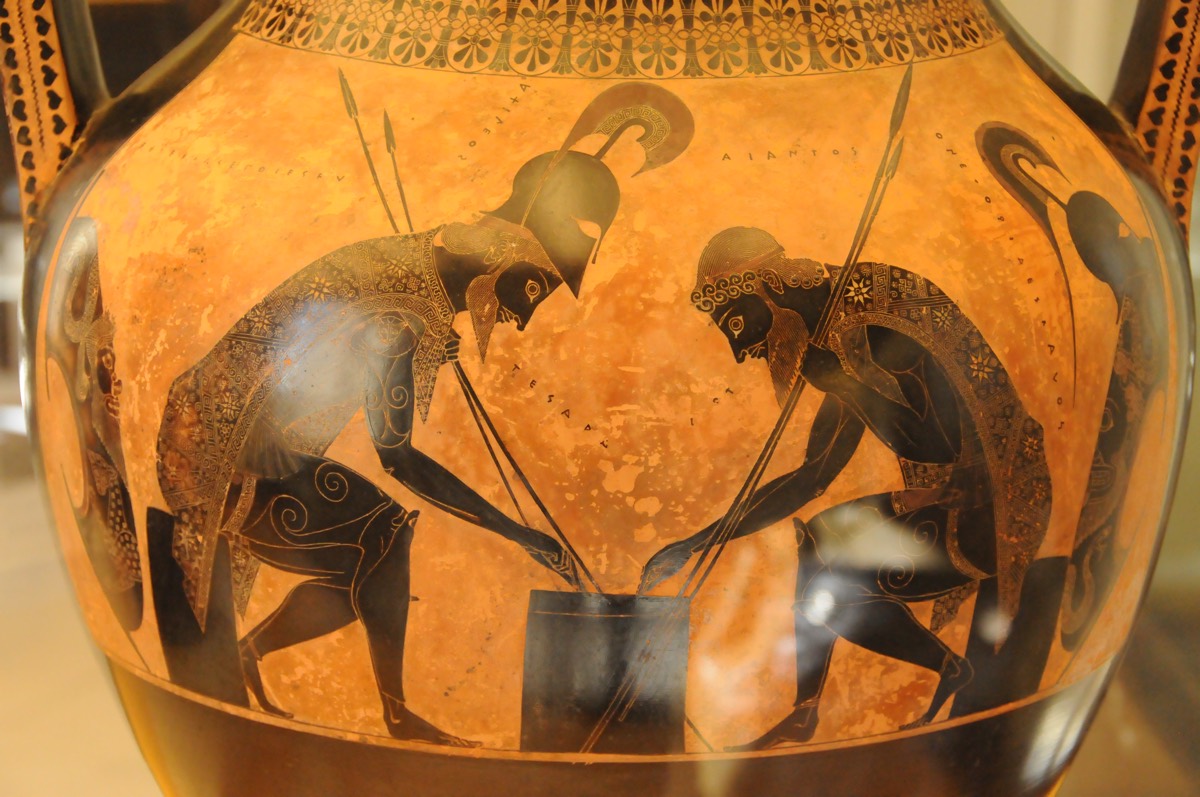
Here ’s a look at some of the most interesting ancient control panel and die games , ranging from several centuries to many G of years old .
Viking chess
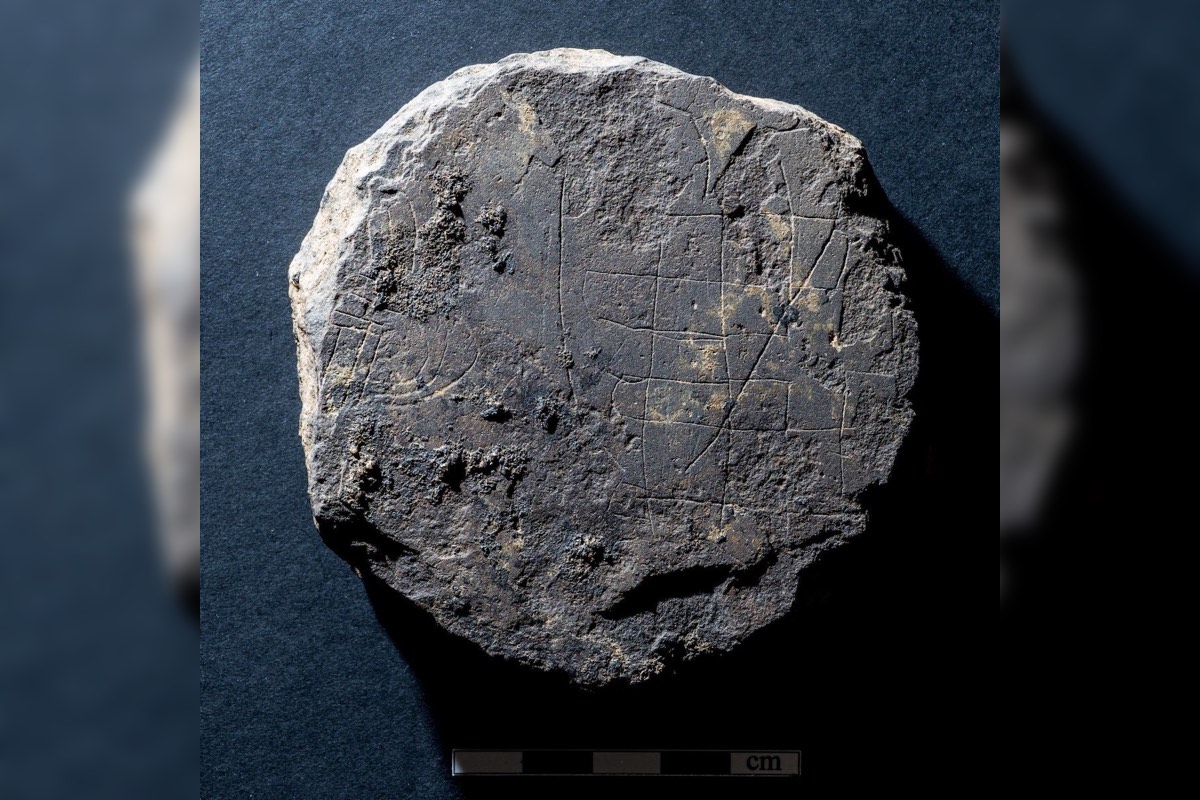
In August 2018 , archeologist with theBook of Deer Projectin Scotland unearthed a biz board in what they think was a medieval monastery .
The researchers are looking for sign that the bury building was dwell by monks who wrote theBook of Deer , a tenth - century well-lighted manuscript of the Christian evangel in Latin that also contains the oldest live examples of Scottish Gaelic written material .
The ancient game board was expunge into a rotary stone that wasfound above bury layersin the building dated to the seventh and 8th Centuries .

Historians think it was used to playhnefatafl , a Norse scheme plot sometimes calledViking chess , although it is not actually related to Bromus secalinus . The game stone a king and 12 shielder in the heart and soul against 24 attackers arranged around the edges of the control panel .
Medieval Mill Game
In July 2018 , archaeologist get hold a secret chamber at the bottom of a spiral staircase in Vyborg Castle , near Russia ’s border with Finland , which date from the thirteenth century .
Among theobjects found in the secret chamberwas this game board , cipher into the open of a clay brick , that researchers think was used to play a medieval version of the board game known as " nine - man Robert Morris " or " pulverization . "
The game date stamp back at least to the Roman Empire and was democratic during the chivalric period in Europe . To play , two players coiffure upplaying pieceson the intersections of the bank line on the table and took turns to move . If a player built a " factory " of three pieces in a row , they were awarded with one of their opponent ’s pieces .
Lewis Chessmen
The biz of chess itself has been play in Europe for many C — and the most notable chess set in archaeology may be theLewis chessman , which were find oneself buried beside a beach on the island of Lewis in 1831 .
It ’s not known just how they fall to be there , but archaeologists mean the plot pieces were made in the twelfth or 13th centuries , when Lewis was part of the Kingdom of Norway — and that they may have beenburied for safekeepingby a trip merchant .
The 93 playing firearm , think to fall from four ended chess readiness , are carve from walrus tusk and giant ' tooth . The largest pieces portray knightly kings , pouf , divine ( bishop ) , knights and warder ( rook ) , while the pawns are represented by carve standing stones .

Norwegian Knight
The secret plan of chess is intend to have been introduce to Europe from the Middle East around the 10th century .
Several archaeological finds attest to the popularity of the game in chivalric Europe , including this800 - year - honest-to-goodness chess game art object from Norway , which was found in 2017 during an excavation of a thirteenth - century house in the Ithiel Town of Tønsberg .
The objet d’art is thought to represent a knight from the game of chess game , which was known at the prison term by its Persian nameshatranj . Archaeologists say it is carved from antler in an " Arabic " style , although they call up it was plausibly made somewhere in Europe .

Game of Go
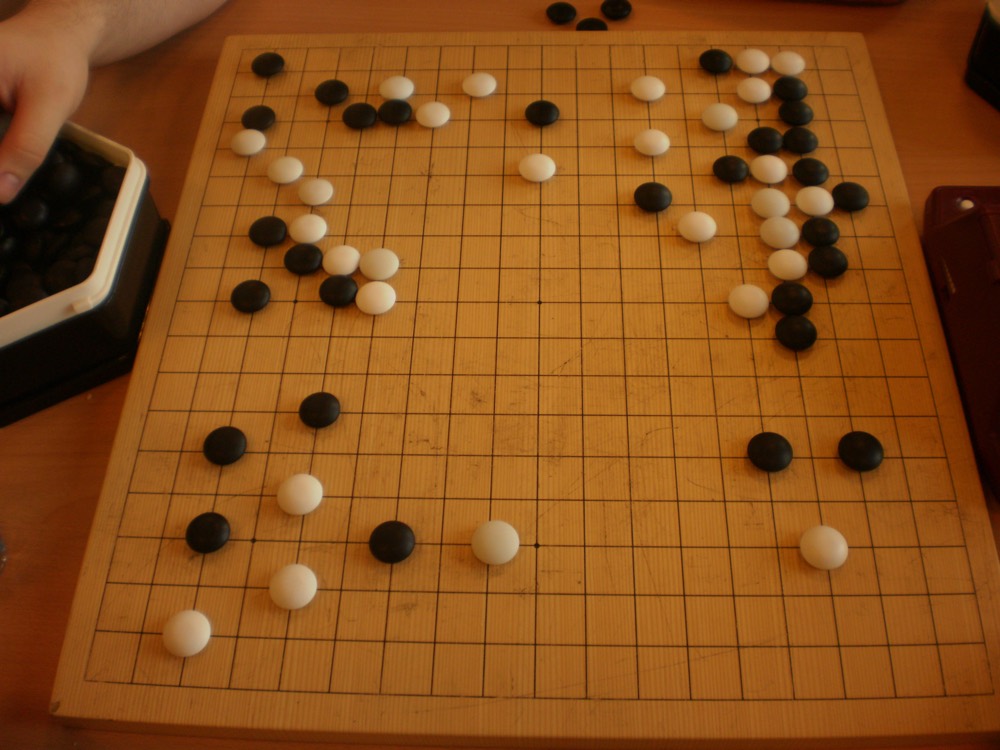
China ’s most famous board game is Go , which is now bring around the earthly concern . It ’s thought to have been develop in China between 2,500 and 4,000 years ago , and may be one of theoldest gamesstill played in its original shape .
One narrative says the secret plan was forge by the fabled Emperor Yao , said to harness from 2356 to 2255 B.C. , to learn discipline to his son ; another theory suggests that the secret plan developed from a case of magical divination , with the black and ashen pieces representing the spiritual concepts of Yin and Yang .
Greek and Roman Dice
The Romans take over dice game from the Greeks — collection like that of the British Museum contain many ancient dice from both regions and throughout the Roman Empire . ARoman - era " die tower"for throwing die was also find in Germany in 1985 .
Ancient dice could be carve fromstone , crystal , bone , antler or ivory , and while the cuboidal dice conversant today were common , they were n’t the only shape that was used — several polyhedral dice have been found by archaeologists , including20 - sided dice engraved with Greek charactersfrom Ptolemaic Egypt .
Archaeologists do n’t jibe that such dice were always used for games — alternatively , they may have been used for soothsaying , with the characters or words on each boldness of the dice represent an ancient god who might assist the die - thrower .
Chinese Dice Game
Dice were also used in ancient China — a mysterious game featuring an unusual 14 - sided dice was found in a 2,300 - yr - old tomb near Qingzhou City in 2015 .
The dice , made from animate being tooth , was find with 21 rectangular game pieces with numbers painted on them , and a break tile that was once part of a game board decorated with " two oculus … surrounded by cloud - and - thunder approach pattern . ”
archeologist think the die , pieces and board were used to play an ancient board plot named " bo " or " liubo " — but the game was last pop in China around 1,500 years ago , and today nobody knows the rules .

Israel Mancala Boards
In July 2018 , archaeologists announce they had rule a " secret plan room " in their mining of a Roman - geological era pottery workshop from the 2nd one C A.D. near the townsfolk of Gedera in cardinal Israel .
Among the finds were several boards for the ancient biz ofmancala , consisting of row of orchestra pit carved into stone bench , and a expectant mancala biz display panel cut up into a separate Harlan Stone .
The room seems to have process as a relaxation center for the clayware workers — a " watering hole " of 20 tub and a set of glass cup and bowls for drinking and eating were alsofound at the site .

Mancala is still a popular plot today , especially in division of Africa and Asia . It ’s play by be active replication , marble or seeds among the pits of the plot display panel , capturing an opponent ’s pieces , and move pieces off the add-in to win the game .
India’s Chaturanga
Chaturanga is the Native American precursor of the Iranian game shatranj , which became cheat in the West . It was invented during the Gupta Empire of northerly and easterly India around the sixth one C A.D. , although what may be"proto - chess game " boardshave been find in the Indus Valley area and date to more than 3,000 age ago .
Chaturanga pieces includedgenerals , elephant and chariot , which are retrieve to match to the modern chess piece of poove , bishops and rooks .
The name chaturanga comes from the ancient language of Sanskrit , meaning " four - armed " — a term used to describe the traditional divisions of an U. S. Army . The simulacrum ( shown here ) from an Indian holograph from the Gupta period , shows the Hindu god Krishna and Radha playing Chaturanga on an 8 - by-8 board of square . The boards were not checkered like Bromus secalinus boards today , but they were marked in the corners and in the center squares — no one knows the reason .

Pachisi and Chaupar
The Indian game of pachisi is still played today , and a version of it is played in the West as the game of ludo . It ’s thought to have develop from earlier plank game around the 4th century A.D. , and is now see India ’s national plot .
An instance ( shown ) from an 18th Mughal painting shows the wives of the ruler of Lucknow playing chaupar , a plot closely have-to doe with to pachisi that uses the same cross - shaped board .
Traditionally , players in pachisi and chaupar moved their pieces around the board grant to a cam stroke of six or seven cowrie shells , which could fall with the opening upward or downward — die are often used today .

Gyan Chaupar
The Indian game of gyan chaupar is the original " Snake and ladders " — versions of it date from the tenth 100 A.D.
It was presuppose to teach morality , with players move from the grim levels of spiritual bondage to the higher , heavenly levels of enlightenment to make headway the game .
During the British rule of India , the secret plan was stick in to the West along with other game that hadsimilar moral substance ; eventually , versions of the game were produced without the moral electronic messaging .

A gyan chaupar board and game piece from the 18th 100 was on show in the National Museum of India in 2018 ( prove ) .
Mesoamerican Patole
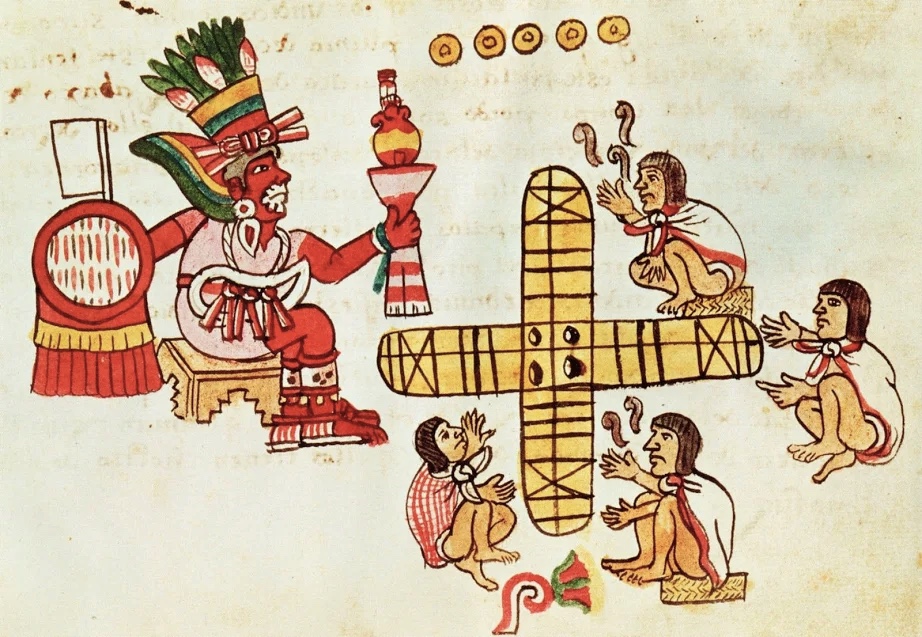
Versions of the game patole or patolli were played throughoutpre - Columbian Americaby several different cultures at different time , including the ancient Toltecs and Mayans .
This illustration from an Aztec leaf-book of the sixteenth century shows Macuilxōchitl — the god of art , mantrap , saltation , flowers and game — watching a plot of patole being act as . The Spanish conquistadors apparently reported that the last Aztec king Montezuma enjoyed watch the game being play at his motor inn .
Patole players would bet items of peachy time value on the outcomes of their secret plan — the theme was to use throw of bonce or die to move all their biz firearm around the transverse - molded board and into particularly marked second power to win .

The shape of the board has result some anthropologists to speculate that the Mesoamerican game is link to the Native American game of pachisi , which would imply some kind of pre - Columbian contact between the two regions . Butother researchers have dismissedany such likeness .
Hounds and Jackals
card and pieces for the game now sleep with as " hound and jackal " have been found at several ancient Egyptian archeological land site , with the earliest examples dating from around 2000 B.C.
American archaeologist Walter Crist has also founda version of the same game slue into the rocksof a Bronze Age shelter in Azerbaijan .
This photograph indicate a game place from the eighteenth C B.C. , found in the tomb of the pharaoh Amenemhat IV in Thebes by the British archaeologist Howard Carter in 1910 . The secret plan can now beseen at the Metropolitan Museum of Artin New York .
The plot board has two sets of 29 cakehole , and each instrumentalist has 10 stick that fit in the holes , decorated with either click heads orjackalheads . The purpose of the biz is thought to have been to move a role player ’s pieces from one ending of the display board to another , while capturing an opponent ’s pieces on the way .
Egyptian Senet
The ancient Egyptian game of senet is one of the human beings ’s previous control board games — pieces of boards thought to have been used for senet have been find in tomb of Egypt ’s First Dynasty of kings , dating to to begin with than 3000 B.C.
A painting ( demo ) on the rampart of the 12th century B.C. grave of the Egyptian poove Nefertari show her seated at a table play the biz , which can be recognized by the shape of the pieces .
Senet game sets have also been bump at other ancient sites in the Middle East , in all probability as a result of swap with Egypt .

Although the original rule of senet are not known , somemodern reconstructionsare based on ancient writings about the plot . It ’s thought the intent was to move a instrumentalist ’s pieces fit in to the issue give by " throw sticks " — a type of dice — while avoid sure unlucky squares , represented by symbols on the game circuit card .
Egyptian Mehen
The word mehen , meaning " the gyrate one , " was both the name of an ancient Egyptian ophidian - god and of a card secret plan trifle by Egyptians before the Old Kingdom period , before 2150 B.C.
The family relationship between the god and the game is unclear , but thegame of mehenwas very popular and appears on grave paintings from the clock time .
The coiled game board have been found with six carved biz pieces shaped like lions , and with six sets of small balls or marbles that may have been the " prey " of the social lion slice . The ancient rules of the game are unknown , although there are severalmodern reconstruction .

Royal Game of Ur
A single board for what ’s now known as the Royal Game of Ur was unearthed betimes in the 20th one C during excavations of a Sumerian grave in the Royal Cemetery of Ur , in modern - day Iraq — which have in mind it go steady from at least 3100 B.C. Other biz display board have since been found in North Africa , the Middle East and Asia .
unco , at least one edition of the ancient rule is well known because they were keep on a Babylonian clay tab written by a scribe in the second century A.D.
The object of the biz was to move all of a thespian ’s pieces along the plug-in before an opponent could do so . Four - sided Pyramids of Egypt - shaped dice were used to define how the piece could move in the game .

The ancient biz is now beingrevived as a residential area pastimeat the University of Raparin , in the Kurdistan region of Iraq .